American Football Ball
First Impressions: Clean, Confident, and Ready for Real Fabric
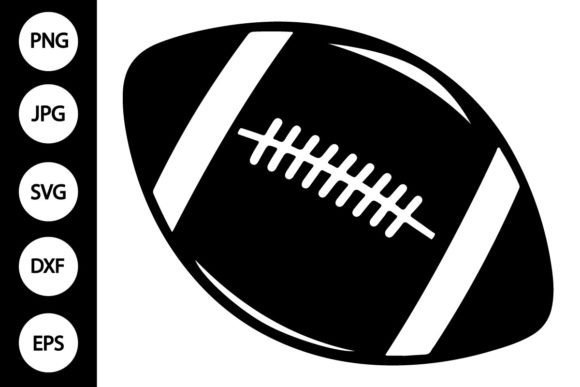
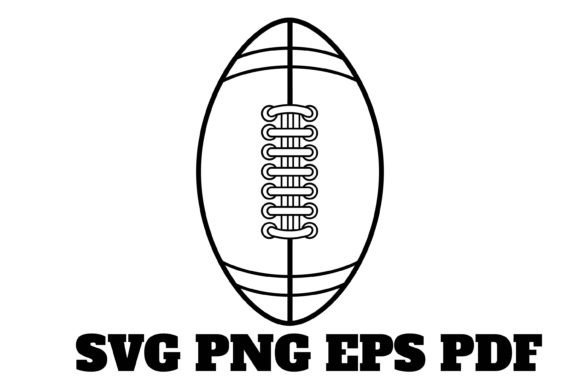
When I opened American Football Ball for the first time, I didn’t see just another sports graphic—I saw a silhouette with quiet authority. It’s not overly detailed or cartoonish; it’s a refined, balanced outline of the classic football shape—slightly elongated, subtly textured with gentle contour lines, and built to hold its own at 2–4 inches wide. As a designer who regularly selects embroidery files for client work and my own craft business, this kind of restraint is gold. It feels like a design that will translate cleanly into satin stitch on a sweatshirt cuff, fill stitch on a baby onesie, or even as an embroidered patch on a denim tote. It doesn’t shout—it invites attention through proportion and clarity.
Real Project Test: A Custom Embroidered Tote for a Youth League Fundraiser
Last week, I used American Football Ball on a navy cotton canvas tote bag—intended as a giveaway for a local youth football league’s end-of-season celebration. I stitched it centered on the front panel, about 3.25 inches tall, using medium-weight cutaway stabilizer and matte polyester thread in white and charcoal gray. The result? Crisp edges, no puckering, and zero distortion—even where the fabric’s natural weave added subtle texture. Parents loved how recognizable it was without feeling generic. One coach told me, “It looks like something you’d buy at a pro shop—not a clip art print.” That’s the difference a well-considered silhouette makes in a handmade product.
Where It Shines (and Where to Pause)
American Football Ball works especially well for:
- Custom apparel: Sweatshirts, crewnecks, and unisex tees—especially when placed on chest pockets, sleeve cuffs, or back yokes.
- Baby embroidery: On organic cotton onesies or burp cloths, its smooth curves avoid sharp corners that could irritate sensitive skin.
- Embroidered patches: The clean outer edge holds up beautifully in border satin stitch, and it scales down to 1.75" without losing legibility.
- Holiday or milestone gifts: Think “First Season” baby blankets, graduation caps, or Father’s Day aprons—where subtlety reads as thoughtfulness.
- Etsy listings and small shop products: As a digital embroidery file, it pairs effortlessly with neutral backgrounds in printable mockups, helping crafters present cohesive, professional-looking design assets.
That said—don’t rush it onto every surface. Use caution with:
- Stretchy fabric: Knits like jersey or performance blends need extra stabilization—and test stitching first. The shape’s length can exaggerate pull if tension isn’t dialed in.
- Curved surfaces: Caps or beanies require careful hooping and possibly reduced density to prevent thread buildup in the curve.
- Dark or heavily textured fabrics: While the silhouette holds up well, avoid placing it over thick terry cloth or heavy linen without adjusting underlay and stitch density.
- Tiny hoop sizes under 4x4": At under 1.5", fine interior contours may compress. Always check the actual stitch preview—not just the vector outline—before finalizing.
Design Judgment: More Than Just a Shape
What sets American Football Ball apart from other football-themed graphics is its visual maturity. It doesn’t rely on team colors, mascots, or typography to communicate meaning—so it fits seamlessly across age groups, genders, and use cases. That neutrality is strategic: it lets your brand voice (not the design) lead. For an Etsy seller offering personalized gifts, that means one file supports dozens of variations—“Coach John,” “Team 87,” “My First Season”—without needing custom redraws. For a boutique owner building nursery decor, it adds sporty charm to a neutral palette without clashing with wood tones or soft grays.
From a commercial embroidery perspective, its simplicity also supports consistency. There are no dense fill areas that risk thread breakage on long runs, no tiny lettering that demands re-hooping, and no overlapping elements that complicate color changes. That translates directly to fewer stopped machines, less thread waste, and faster turnaround—critical for small shop owners juggling multiple orders.
Practical Notes Every Embroidery Designer Should Keep Handy
Before stitching American Football Ball into your next finished product, take these steps:
- Test on scrap fabric—especially if using it on a new substrate like fleece-lined hoodies or organic cotton tea towels.
- Check thread color contrast against both light and dark backgrounds. White thread on black fabric reads bold; navy on oatmeal reads refined.
- Review stitch density in your embroidery software. If it’s dense, consider reducing fill density by 5–10% for breathable fabrics like baby knits.
- Confirm hoop size compatibility. This is a single-layer silhouette, but verify the widest point fits your standard hoop before digitizing adjustments.
- Inspect interior details in zoom view—look for stray nodes or anchor points that could cause jump stitches.
- Test black-and-white mockups to assess visual weight and balance before committing to color.
- Use appropriate stabilizer: Cutaway for stretchy or unstable fabrics; tear-away for stable wovens like quilting cotton or canvas.
- Verify licensing before selling finished items or bundling American Football Ball into digital embroidery kits. Since it’s listed under Crafts and Graphics, confirm whether commercial use is permitted for your intended application.
Final Thought: A Quiet Workhorse in Your Design Toolkit
American Football Ball won’t dominate your portfolio—but it will earn repeat use. It’s the kind of embroidery file that disappears into the product while elevating it: a confident, uncluttered statement that says “thoughtful craft” more than “football fan.” Whether you’re embroidering a holiday gift for a coach, stocking a craft fair booth with personalized totes, or building a cohesive line of sports-themed nursery decor, this silhouette delivers reliability without compromise. In a market flooded with overdesigned, overcomplicated graphics, sometimes the most valuable machine embroidery design is the one that simply works—cleanly, consistently, and quietly well.